Explanation of Traditional Beef Ragu
Slow-Cooked Beef Ragu is a sophisticated, meat-forward Italian sauce that is often confused with Bolognese. The primary difference lies in the meat; while Bolognese uses ground beef, a true Ragu uses whole, tough cuts of beef that are braised until they literally fall apart. In 2026, this dish has become the ultimate “Slow Food” icon, prized for its high protein content and the deep, complex umami flavors that only a long, low-temperature simmer can produce.
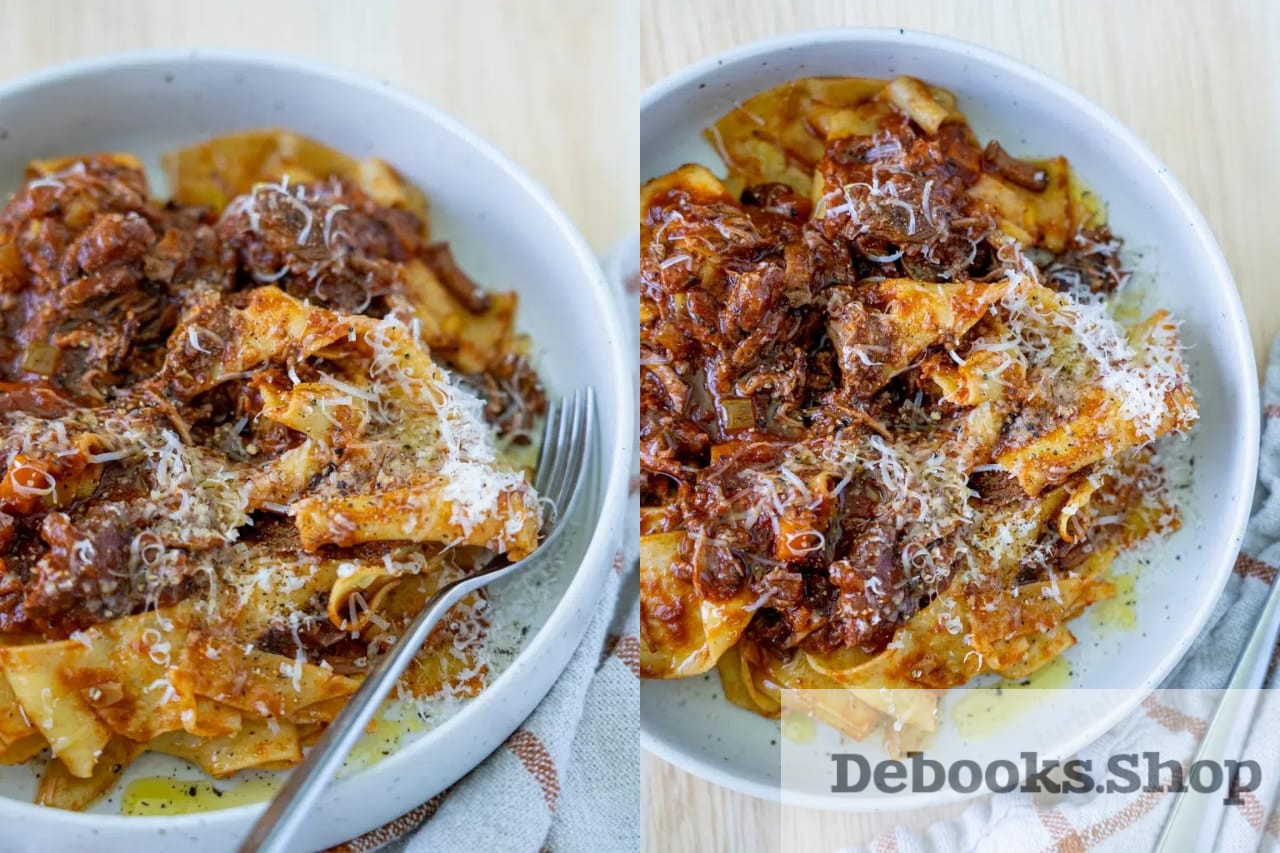
Ingredients Needed for Preparation
To prepare an authentic 2026-style Ragu, you need a balance of high-quality proteins and fresh aromatics:
- Beef: 1kg Beef Chuck Roast or Short Ribs (cut into large chunks).
- The Veggie Trio: 2 Carrots, 2 Celery stalks, and 1 large Onion (finely diced).
- Liquid Base: 1 cup Dry Red Wine and 500ml Beef Bone Broth.
- Tomatoes: 800g Crushed tomatoes (San Marzano is preferred).
- Aromatics: 4 Garlic cloves (minced), 2 Bay leaves, and 1 sprig of Fresh Rosemary.
- Seasoning: Salt, Black Pepper, and 2 tablespoons of Extra Virgin Olive Oil.
Searing the Beef for Maximum Flavor
The first step in preparation is the sear. Pat your beef chunks completely dry with paper towels—this is the professional secret to getting a deep brown crust. Heat your oil in a heavy pot until it shimmers, then sear the beef in batches. You aren’t trying to cook it through yet; you are creating the Maillard reaction, which provides the savory foundation for the entire sauce.
Sautéing the Soffritto Base
Remove the meat and add your diced carrots, celery, and onions to the same pot. These vegetables, known as the Soffritto, will pick up the browned bits left by the beef. Sauté them over medium heat until they are soft and translucent. This step provides the underlying sweetness that balances the rich, salty notes of the beef broth and wine.
Deglazing the Pot with Red Wine
Pour the red wine into the pot with the vegetables. Use a wooden spoon to scrape the bottom of the pan to release the concentrated flavor. Let the wine simmer for about 3 minutes until the liquid reduces by half. This removes the harsh alcohol bite while leaving a rich, acidic complexity that defines a high-end Ragu.
The Slow Simmering Phase
Add the beef back into the pot along with the crushed tomatoes, bone broth, and herbs. Turn the heat down to its lowest setting. In 2026, the trend is “Active Patience.” Cover the pot and let it simmer for 4 to 6 hours. During this time, the tough connective tissues in the beef transform into gelatin, resulting in a sauce that is naturally thick and incredibly tender.
Shredding the Beef to Finish
Once the meat is tender enough to crush with a spoon, remove the large pieces and the herb stems. Use two forks to shred the beef into fine strands. Return the shredded meat to the pot and stir it back into the sauce. The meat will act like a sponge, soaking up the tomato and wine reduction, creating a chunky, rich texture that clings perfectly to your pasta.
Serving and Pairing Tips
Serve your Slow-Cooked Beef Ragu over a wide pasta like Pappardelle or Tagliatelle. These wide ribbons are designed to hold the weight of the meat. Finish the dish with a generous dusting of freshly grated Parmesan or Pecorino Romano cheese and a final crack of black pepper. In 2026, many also enjoy this Ragu served over creamy polenta for a gluten-free comfort meal.
Conclusion
Preparing a Slow-Cooked Beef Ragu is a labor of love that yields one of the most flavorful results in the culinary world. By focusing on the quality of the sear and the length of the simmer, you transform simple, affordable cuts of beef into a gourmet masterpiece. It is the perfect 2026 meal for those who value tradition, nutrition, and the satisfaction of a home-cooked, “slow” dinner.