Finding a dinner that balances bold, adventurous heat with a sense of deep nourishment can be a challenge, but this Gochujang Steak Bowl hits that mark effortlessly. There is something incredibly magnetic about the way fermented chili paste caramelizes against a high-quality cut of beef, creating a complex crust that is sweet, salty, and spicy all at once. If you have been looking for a way to bring a modern, global energy to your kitchen, this bowl is a perfect entry point. It takes the centuries-old tradition of Korean fermentation and spins it into a fast, vibrant meal that feels entirely current.
Lately, the ritual of building these bowls has become one of my favorite ways to wind down at the end of the day. I love the contrast of textures the hot, seared steak resting against cool, pickled cucumbers and a bed of fluffy, steamed grains. The process of whisking together the glossy red gochujang with a hint of toasted sesame oil and garlic is a sensory delight that promises a dinner with real character. Whether you are prepping this for a post-workout refuel or a relaxed weekend meal, it brings a sophisticated, “glocal” flair to the table. It is a dish that celebrates the power of umami while keeping things light, fresh, and completely satisfying.
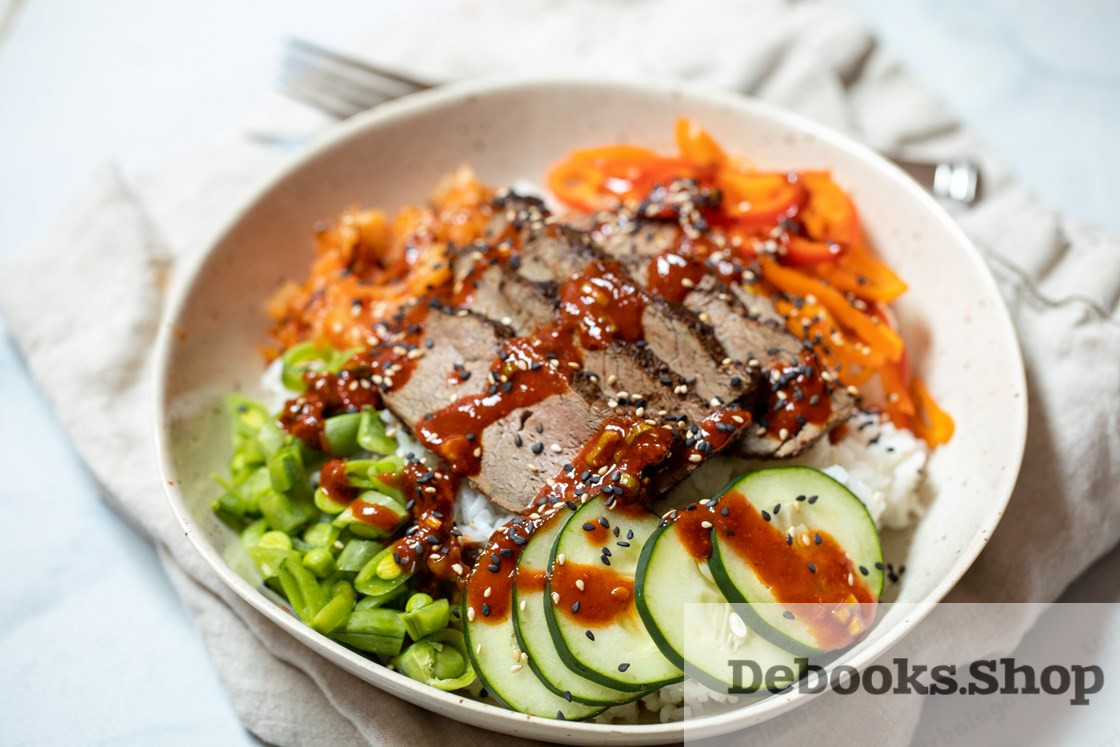
Why This Gochujang Bowl is a Modern Essential
- Complex Flavor Profile: The fermented chili paste provides a depth of flavor that you simply can’t achieve with standard hot sauces.
- Protein-Forward Fuel: With a generous serving of steak, it is designed to keep you feeling satisfied and energized.
- Gut-Friendly Ingredients: Gochujang is a fermented staple, bringing a dose of beneficial probiotics to your dinner plate.
- Endless Customization: It is the perfect canvas for whatever seasonal vegetables or grains you have on hand.
The Secret to the Perfect Steak Sear
The hallmark of a professional-style steak bowl is the crust on the meat. To achieve this, my best advice is to ensure your steak is at room temperature and patted dry before it hits the pan, even after marinating. A wet steak will steam instead of sear. Use a cast-iron skillet and a high-smoke-point fat, like beef tallow or avocado oil, to get the pan screaming hot. The sugars in the gochujang marinade will caramelize quickly, so keep a close eye on it you want a dark, sticky glaze, not a scorched surface. Letting the steak rest for five minutes before slicing is the final, essential step to keeping every bite juicy and tender.
Ingredients for Your Spicy-Sweet Bowl
- 1 lb Ribeye or Flank Steak: Sliced into thin strips or kept whole for searing.
- 2 tbsp Gochujang (Korean Chili Paste): The star ingredient for heat and sweetness.
- 1 tbsp Soy Sauce: For a salty, savory umami boost.
- 1 tbsp Toasted Sesame Oil: Adds a nutty, aromatic finish.
- 1 tbsp Honey or Brown Sugar: To balance the spice and encourage caramelization.
- 3 cloves Garlic: Minced fresh for an intense savory hit.
- Base: 2 cups of Jasmine rice, quinoa, or black rice.
- Accoutrements: Pickled cucumbers, blanched spinach, shredded carrots, and a fried egg.
Step-by-Step Instructions
- Whisk together the gochujang, soy sauce, sesame oil, honey, and minced garlic in a bowl. Place your steak in the mixture and let it marinate for at least 30 minutes.
- Prepare your base of rice or ancient grains according to package directions and keep it warm.
- Heat a cast-iron skillet over high heat with a tablespoon of oil or tallow. Once the pan is shimmering, add the steak.
- Sear the steak for 3 to 4 minutes per side (for medium-rare), allowing the gochujang to create a dark, sticky crust. Remove the steak and let it rest on a board.
- While the steak rests, quickly sauté your spinach or carrots in the same pan to pick up any remaining flavorful bits.
- Slice the steak against the grain into thin, elegant strips.
- Build your bowl: Start with a generous scoop of grains, arrange your vegetables and steak on top, and finish with a fried egg if desired.
- Drizzle with a little extra gochujang mixed with lime juice for an extra zesty kick.
Tips for Success
If you find gochujang a bit too spicy on its own, you can mellow out the sauce by whisking in a little extra honey or even a spoonful of Greek yogurt for a creamy twist. For the most aesthetic “2026-style” presentation, keep your ingredients in separate sections of the bowl rather than mixing them all at once. This allows the individual flavors like the acidity of the pickles and the earthiness of the grains to stand out. To save time, you can quick-pickle your cucumbers by letting them sit in a mixture of rice vinegar, sugar, and salt while your steak marinates.
Nutrition and Bio-Active Benefits
- Yield: 2-3 Servings
- High-Quality Protein: Essential for muscle repair and long-term satiety.
- Probiotic Support: Fermented chili paste aids in maintaining a healthy gut microbiome.
- Iron and Zinc: The steak provides a significant boost of minerals that help combat fatigue.
- Antioxidant Variety: Using a colorful array of vegetables provides a wide spectrum of health-protecting phytonutrients.
I am so excited to see how your kitchen transforms once the aroma of that spicy gochujang hits the hot pan! There is a real sense of pride that comes with creating a meal that feels this vibrant and professionally executed. It is a recipe that has truly changed the way I think about “healthy” bowls. If you decide to give this Korean-fusion classic a try tonight, I would love to hear about it. Did you go with the traditional rice base or try one of the trending ancient grains?
Leave a comment below and let me know what is your favorite fermented ingredient to cook with for a flavor boost?