I am a total convert when it comes to traditional cooking fats, and let me tell you, beef tallow is truly my jam! There is just something incredible about the way it transforms a simple potato into a glass-like, crunchy masterpiece. If you have been following my kitchen journey, you know I love getting back to basics and using every part of the ingredient, and nothing feels more cozy and authentic than rendering your own liquid gold right at home.
In my house, we have officially ditched the processed seed oils for good. We use tallow for almost everything because it is so stable and full of rich, savory flavor. I especially love using it when I am searing a thick ribeye or making a batch of Sunday roast potatoes. It doesn’t smoke or burn like butter does at high heat, which means you get that perfect mahogany crust every single time without the mess. It brings so much excitement back to the kitchen, and honestly, the smell of rendering fat on a slow afternoon is just pure comfort.
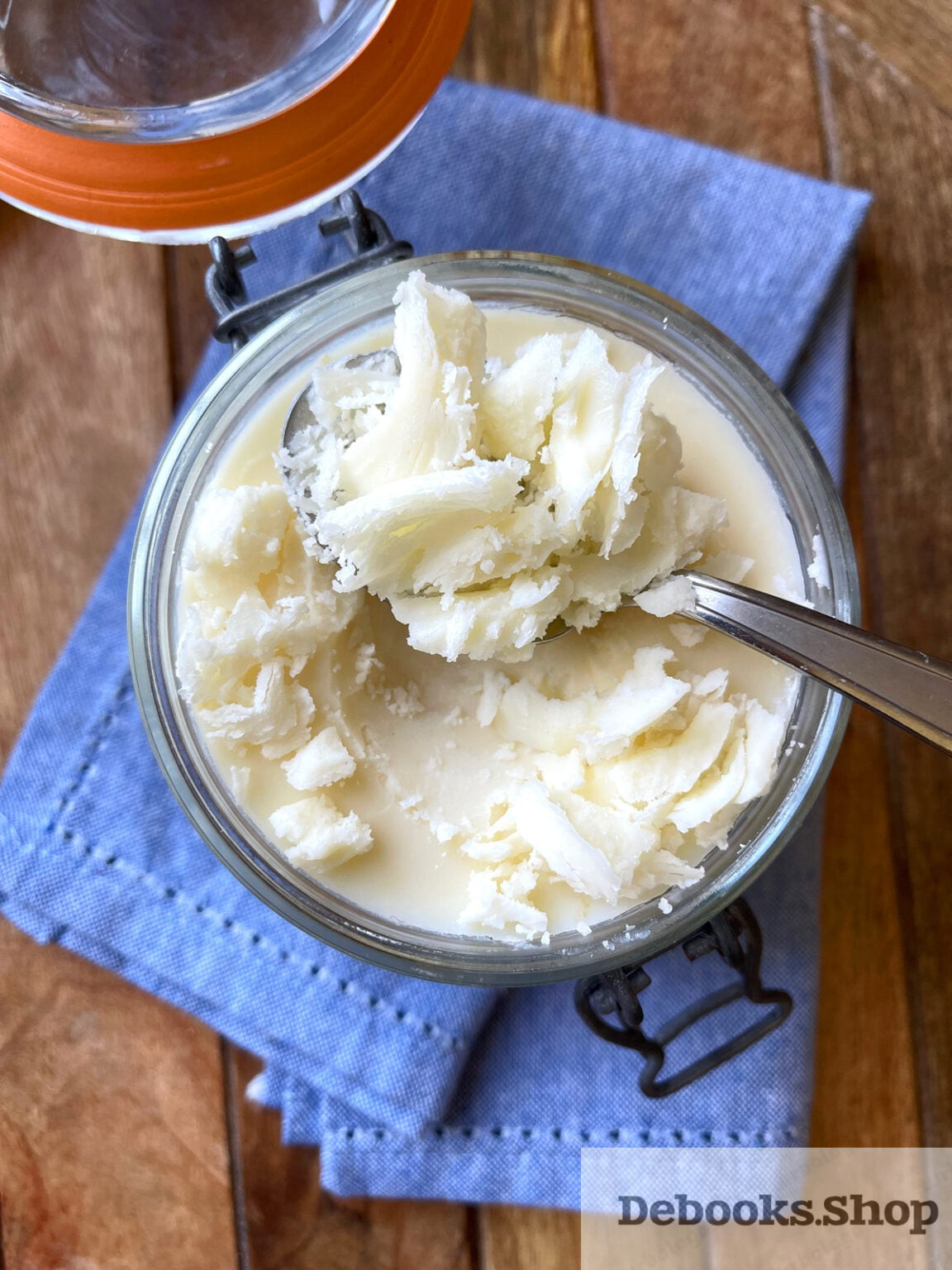
Why You Will Love Cooking With Tallow
- Exceptional Heat Stability: Tallow has a very high smoke point, making it the safest and most effective choice for deep frying and high-heat searing.
- Zero Waste Lifestyle: Making your own tallow is a sustainable way to respect the animal by utilizing the nutrient-dense suet that often goes to waste.
- Unbeatable Texture: Nothing creates a crunch quite like animal fat. Whether it is a pie crust or a french fry, the structural flakiness is unmatched.
- Long Shelf Life: Once rendered and purified, tallow is incredibly shelf-stable and can stay on your counter in a glass jar for months.
The Secret to Pure White Tallow
One thing I have learned over the years is that the secret to that beautiful, creamy white tallow is the low and slow method. If you rush the rendering process by turning up the heat, you risk scorching the fat, which gives it a yellow tint and a strong, beefy odor. By adding a little splash of water at the beginning, you create a steam buffer that protects the fat until it starts to melt. This ensures your finished tallow is neutral in scent and perfect for both savory cooking and even heirloom baking projects.
Essential Ingredients and Tools
- 2 to 4 lbs Beef Suet: Look for the hard, white fat from around the kidneys for the highest quality.
- 1/2 cup Water: This acts as a starter to prevent the fat from sticking or burning.
- A Heavy-Bottomed Pot: A Dutch oven or a slow cooker is your best friend for this process.
- Fine Mesh Strainer and Cheesecloth: You will need these to get every tiny bit of sediment out.
- Airtight Glass Jars: For storing your finished product.
- Sea Salt: To season your tallow-based dishes perfectly.
Step-by-Step Instructions for Rendering
- Start by chilling your beef suet until it is very firm. Use a sharp knife to chop it into tiny cubes or pulse it in a food processor until it looks like coarse crumbs. The smaller the pieces, the faster it will render.
- Place the suet into your pot and add the half cup of water. Turn the heat to the lowest setting possible.
- Let the fat cook undisturbed for about 3 to 4 hours. You will see the solid white pieces slowly turn into a clear, golden liquid.
- The process is done when the solids have turned into small, golden brown crisps that float on the surface.
- Line your strainer with a double layer of cheesecloth and carefully pour the liquid through into clean glass jars. Be very careful as the fat is extremely hot.
- Let the jars sit at room temperature until the tallow solidifies into a firm, snowy white fat.
- Store it in a cool, dark place or in the refrigerator if you prefer it extra firm.
How to Use Your Liquid Gold
When you are ready to cook, just scoop out a tablespoon as you would with butter or coconut oil. For the ultimate crispy fries, heat your tallow to 350°F and fry in small batches. If you are baking, try swapping out half of your butter for chilled tallow in a biscuit recipe. The result is a savory richness and a height that you just can’t get with butter alone. I also love whipping it with a little rosemary and sea salt to serve as a spread for warm crusty bread when friends come over.
Recipe Tips for Success
If you find that your tallow has a bit of a meaty scent, you can perform a wet wash. Simply melt the tallow with an equal amount of water and a pinch of salt, let it cool in the fridge until it hardens, and then scrape off the impurities from the bottom of the fat puck. Also, don’t throw away those little golden crisps left in the strainer! Those are called cracklings, and they are delicious tossed in a little salt and eaten as a snack or sprinkled over a salad for extra crunch.
Nutrition and Stability Information
- Yield: Approximately 3 to 4 cups of tallow
- High Smoke Point: 400°F (205°C)
- Rich in Vitamins: Natural source of fat-soluble Vitamins A, D, E, and K2.
- Oxidative Stability: Does not break down into harmful byproducts under high heat like many vegetable oils.
I really hope you enjoy the process of making your own beef tallow! It is such a rewarding feeling to see those jars of white fat lined up in the pantry, ready for your next big meal. It is a simple, approachable way to level up your cooking and bring a little bit of tradition back to the dinner table. If you give this a try, I would love to hear about it! Did you make the world’s best fries or use it for a flaky pie crust?
Leave a comment below and let me know what is your favorite old-school cooking secret?